Winter near Talkeetna can be extraordinary, but the best visits do not pretend conditions are predictable. Build a plan with warm margins: more drive time, fewer fixed commitments, and a cabin evening that still feels like a win.
Start with the road, not the itinerary.
AWD or 4WD is strongly recommended for a winter stay. Check Alaska 511 before departure and again before a longer outing. The Alaska DOT winter-driving guidance is worth reading even if you are comfortable on snow.
- Download the host’s exact arrival directions before leaving town.
- Keep fuel comfortably above empty and carry winter clothing in the vehicle.
- Allow more stopping distance and avoid a schedule that rewards rushing.
- Tell the host if conditions or arrival timing change materially.
The forecast is only one input. Road surface, visibility, wind, plowing, and your comfort level matter more than preserving a restaurant reservation.
Bring layers that work away from the car.
Pack a warm base layer, insulating mid-layer, weather-resistant outer layer, hat, gloves, warm socks, and boots with winter grip. Add traction aids when your plans include icy paths. Keep a dry layer in the cabin so one wet outing does not control the next.
Bring a headlamp or small flashlight. Winter daylight is limited, and a light is useful for the driveway, fire pit, or an unexpected stop even when you do not plan a nighttime hike.
Hope for the northern lights. Do not make them a promise.
Aurora season generally overlaps with the darker months from late August into April, but a sighting still needs darkness, a clear enough sky, and solar activity. Cloud cover can hide a strong display; a clear sky can still be quiet.
Use the official Travel Alaska aurora guide for planning context. Then treat any display as a gift rather than the condition for a successful stay.
Keep lights low
Give your eyes time to adjust before deciding the sky is quiet.
Look more than once
A short check before bed and later at night beats one rigid watch.
Have a warm fallback
The sauna, a meal, and a slow evening make cloud cover less important.
Use daylight well and protect the evening.
Start the day after checking roads and current operating hours. Choose one outdoor anchor—Talkeetna, an open trail, a guided activity, or a scenic drive—and return before fatigue makes the road harder.
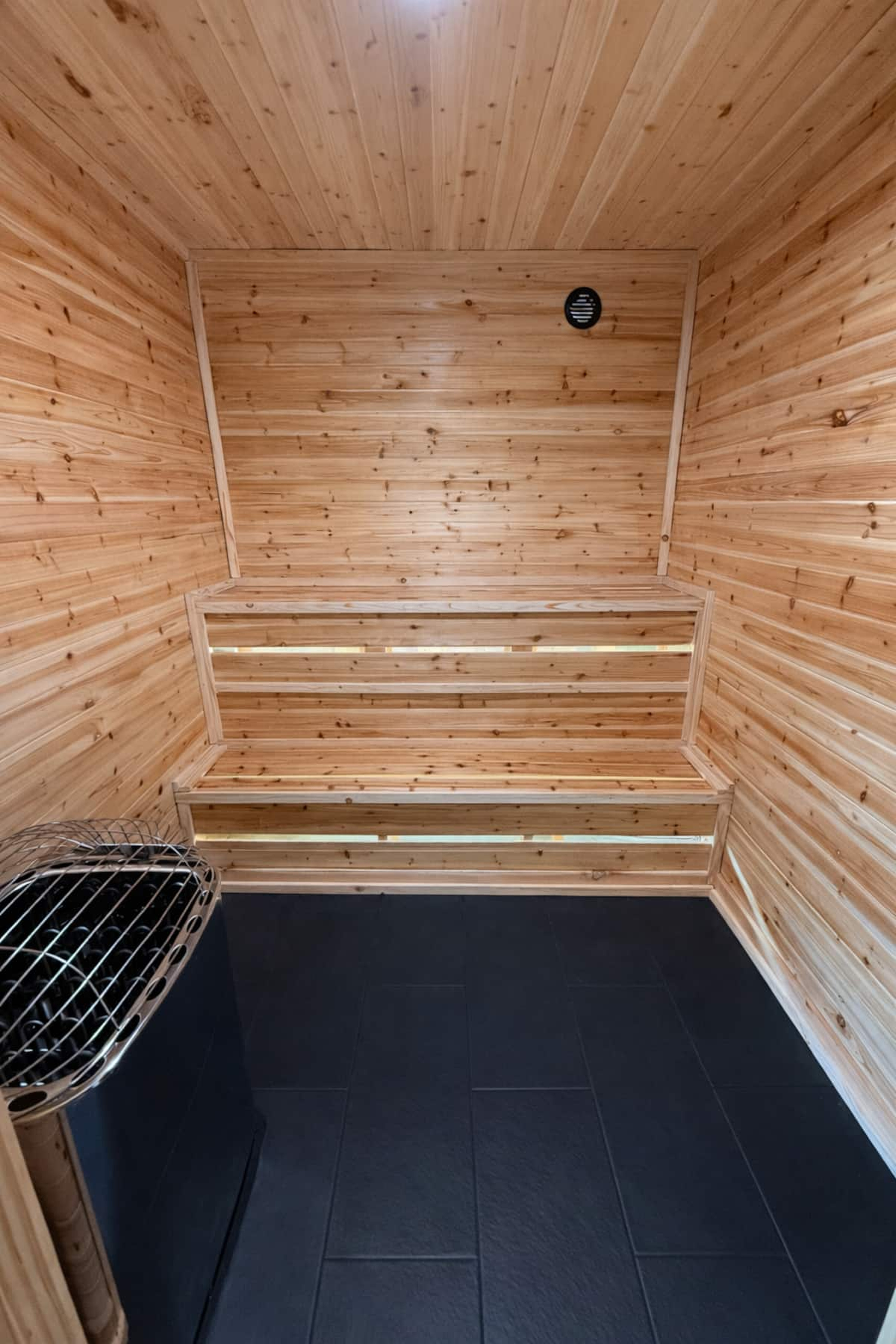
Back at the cabin, hang wet layers, cook something warm, and let the cedar sauna be the transition into the evening. The cabin has a heater and wood-burning stove, but guests should still follow the arrival and fire-safety instructions provided for the stay.
Confirm what is open before making the drive.
Talkeetna remains a real community in winter, but business hours, tours, trails, and services can be seasonal or weather-dependent. Start with the official destination overview, then check each operator’s current information directly.
Need help keeping the day realistic? MatSu Compass can help connect the cabin, transportation, and activities.